The Accountability Gap: Why WA Local Government Oversight Bodies Fail Ratepayers
Discover why WA regulatory bodies struggle to enforce municipal transparency and how systemic gaps insulate local council administration from oversight.
Keep reading
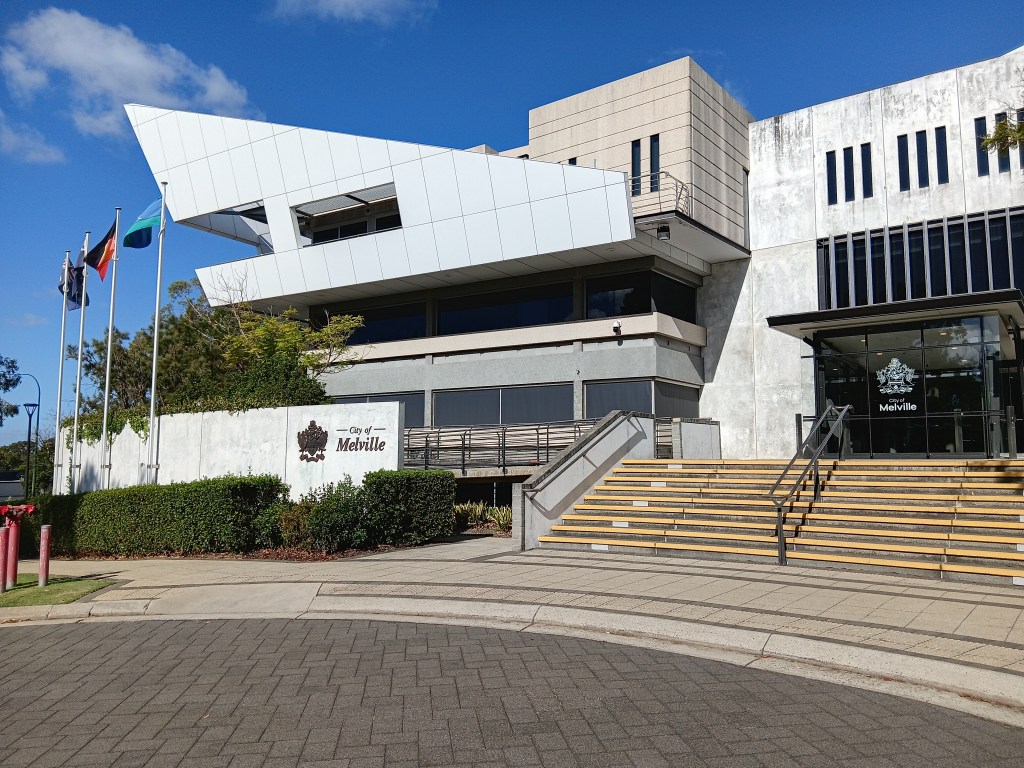

CITY OF MELVILLE MYTHS
Adapted from WA Local Government Act 1995. s1.3(2)
Outcome intentions from the Act
– Community democracy.
– Community participation in decisions & affairs.
– Efficient & effective governance.
– Independence in governance oversight.
– Accountability to Community.
– Fair & Just decision making.
If you have ever felt sidelined by the City of Melville, you aren’t alone. You are witnessing a highly coordinated administrative strategy designed to insulate unelected executives from community accountability.
The 2026 Local Government Act promised transparency. Instead, it delivered a “Definitional Void.” Because the legislation fails to objectively define concepts like “good governance,”“merit,” or an “informed decision,” executive staff hold the default power to subjectively rewrite the rules of compliance. They hide behind an “operational shield” to usurp the authority of elected councillors, weaponise customer policies to silence whistleblowers, and treat community rights as an optional, performative exercise.
This isn’t theory—we hold the documented evidence. Explore our active Failure Register, dissect the anatomy of administrative whitewashing, and access direct tools to strip away bureaucratic ignorance.

Discover why WA regulatory bodies struggle to enforce municipal transparency and how systemic gaps insulate local council administration from oversight.
Keep reading
Navigate the frustrating cycle of tracking shifting municipal justifications. See how disappearing council records impact local accountability and ratepayer advocacy.
Keep reading
Something went wrong. Please refresh the page and/or try again.
Dealing with City of Melville executives reveals a cynical truth: WA local government legislation is treated as a mere hurdle to bypass. Research by the Melville Shadow Council (MSC) exposes how executive protections aggressively block community-driven democratic oversight. For a deep dive into how protections shield administrative incompetence, read our full report: “Impotence of Oversight Architecture.”
The City executive routinely deflects public complaints to the WA Ombudsman. They do this because the Ombudsman is legislatively muzzled—restricted to a “tick-and-flick” process check that ignores underlying corruption. The current legislative architecture protects dysfunctional municipal management. As long as local councils remain segregated from standard corporate accountability and Corporations Law, this systemic conflict will persist.
To Promote Community Elector’s
Respected Participation in the
Decisions, Affairs, Views & Oversight
of the City of Melville – Local Government
We are an independent
community advocacy group
dedicated to monitoring local government transparency, policy compliance,
and corporate governance.
(1)
The City of Melville Local Government has not supported community conferences, seminars and learning workshops or infrastructure facilities suitable for their delivery.
(2)
Neither the City nor Council actively engage in community information sharing meetings.
(3)
Councillors allow administrators to speak for Council despite this being prohibited in legislation.
(4)
Both administrators and Council refuse to recognise or manage documented substandard conduct or governance non-compliances unless resolution thereof provides an express benefit to employees.
Annual Report
Councils annual report does not include reporting on integrity, honesty, non-compliance, misbehaviour or misconduct.
Melville Shadow Council embodies governance of the community, by the community, for the community—grounded in evidence, public records, and practical reform.
This site is managed by volunteers. Would you like to be a researcher?
Your thoughtful volunteering will help build a better community for everyone.
The City of Melville Local Government District has some of the best brains in Australia. Why, then, do we have a Local Government that expends so much energy excluding those brains from greater community participation in the decisions and affairs of this local government?
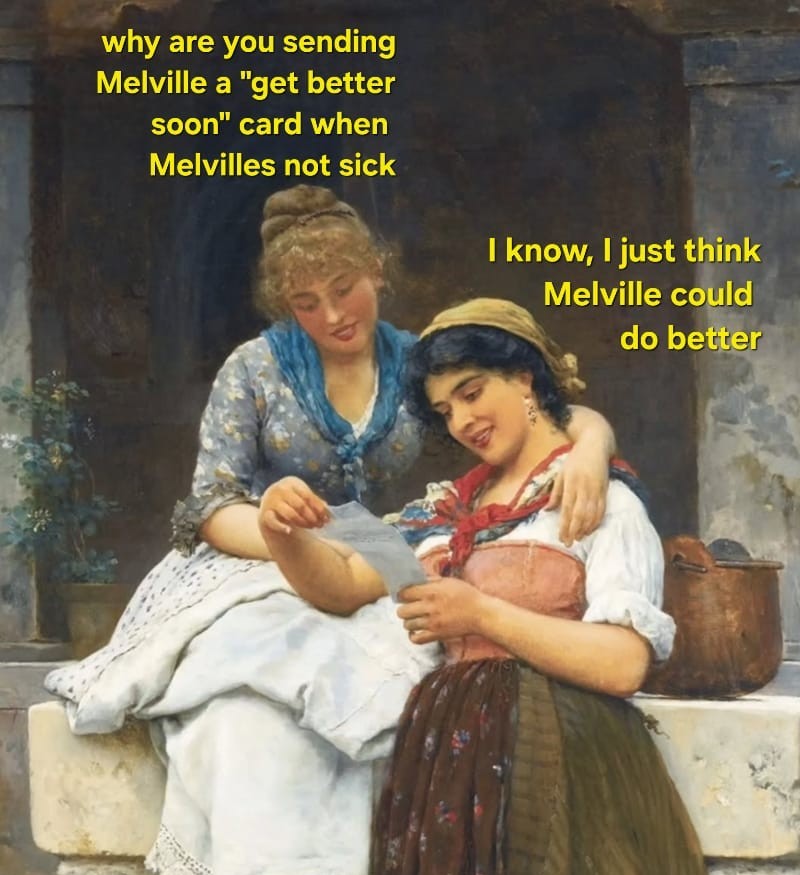
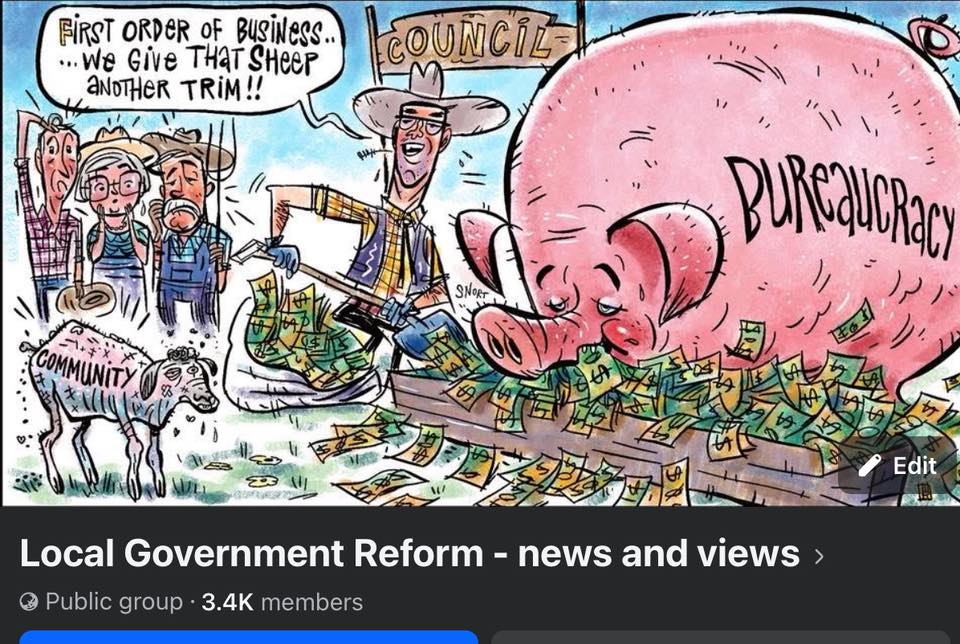
How can you soar like an eagle when governed by turkeys?
Excellence as a core value is a commitment to high standards, continuous improvement, and delivering exceptional quality in both actions and intent. It is a mindset that drives accountability and, unlike perfection, is a sustainable, ongoing journey rather than a final destination.
Striving for excellence is a glaring omission from Melville Council’s Annual Reports.
Never mind global warming lets stop Melville residents cooking!
While an Urban Forest policy is a worthy topic, the Policy written for Council by City administrators is guaranteed to deliver a future inter-generational cost legacy from a failure to address:
– support for local indigenous fauna and flora;
– damage to public and private infrastructure;
– impacts on ground water reserves;
– public, private & road safety
– conflict with other ‘stand alone’ Melville policies
– inadequate management resources
Where is the City of Melville’s concern for our precious natural environment? Sports fields can be build anywhere, natural bushland is irreplaceable.

Discover why WA regulatory bodies struggle to enforce municipal transparency and how systemic gaps insulate local council administration from oversight. Read More
Navigate the frustrating cycle of tracking shifting municipal justifications. See how disappearing council records impact local accountability and ratepayer advocacy. Read More

We look forward to welcoming you to Melville Shadow Council.
City of Melville Local Government District
melville.shadowcouncil@outlook.com
0474 851 248 – 0409 295 781
Designed with WordPress